Basics of Microbiology
Microbiology is the study of tiny living things called microorganisms. These living things are so small that we usually need a microscope to see them. They can be found everywhere; on the surfaces we touch, the water we wash in, and the air we breathe. Microorganisms can include bacteria, viruses, fungi, and other very small creatures.
Some microorganisms are helpful and can be used to make foods (yoghurt) or antibiotics, others are harmful and can cause illness like the flu or food poisoning. These microorganisms require food, water, and sometimes oxygen to grow just like humans. In the right conditions they can multiply exceptionally quickly, as quick as every 20 minutes.
Basic of Pathogens
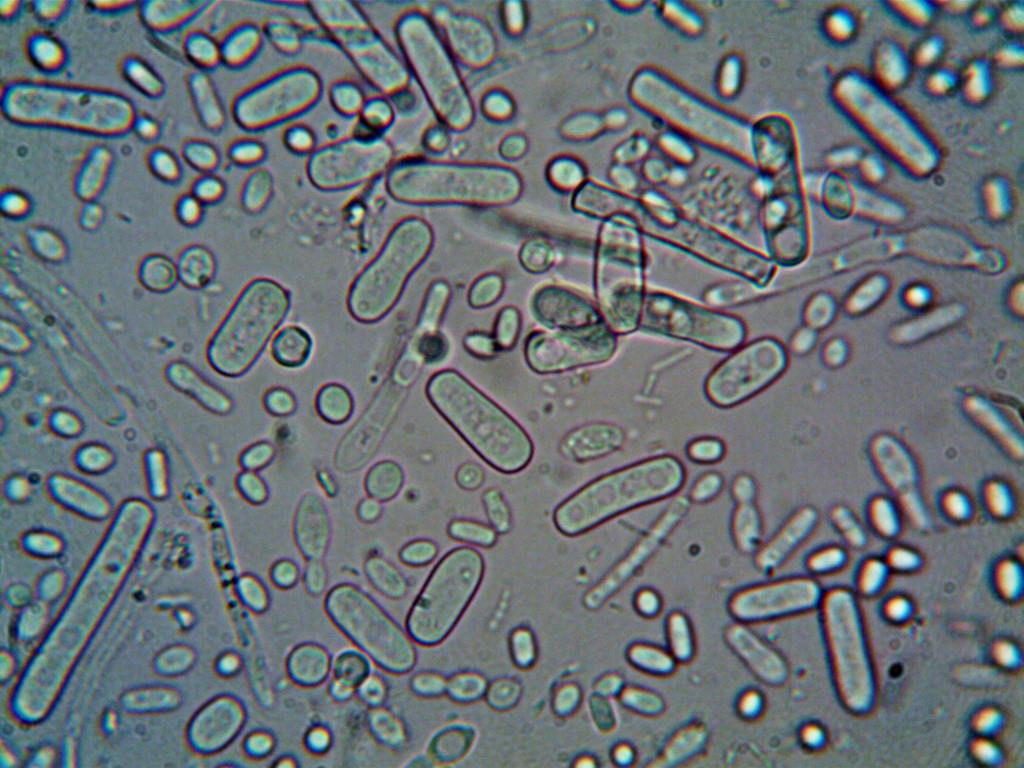
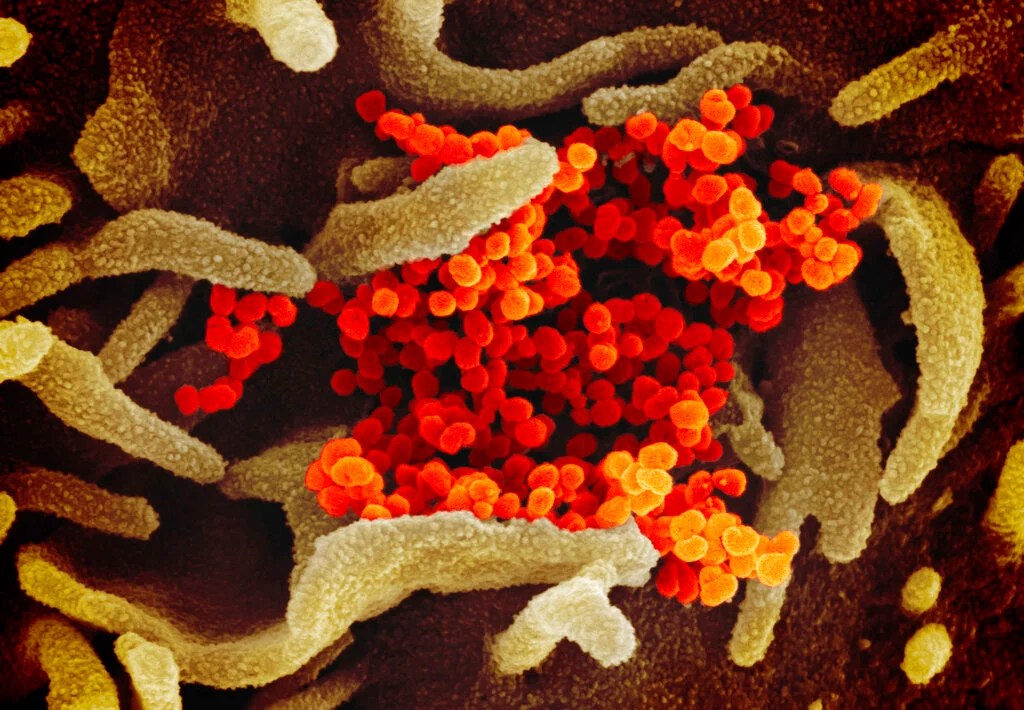
Pathogens are germs that can make us sick. They include bacteria, viruses, fungi, or other tiny living things that can cause diseases. When pathogens enter our body, they can grow and spread, leading to illnesses like colds, flu, or more serious infections. Pathogens, just like microorganisms, can be found everywhere including the surfaces we touch, the air we breathe, and in open water sources. They can get into open water from things like animal waste, sewage, or run-off from the land.
Not all pathogens are equally bad. Some can cause a common cold while others can cause potentially fatal diseases. Each pathogen can impact every person differently, some may be easily cleared by a persons immune system while others can cause large complications.
If you would like to know more about microbiology, microorganisms, and pathogens, the following resources may be useful:
Britannica – Microbiology fundamentals
BBC Bitesize – Communicable diseases, covering pathogens and microorganism induced disease
Molecular Biology of the Cell – Introduction to pathogens.
 Swimming with Sewage