Sewage systems
In this page we will discuss methods of trying to improve the quality of water within our water systems. This is not an easy challenge to solve with most methods aimed at not introducing the pollutants in the first place.
A large investment of £10 billion has been floated by water and sewage companies in England to help tackle the problems of an aging sewer network. This is not an easy fix however.
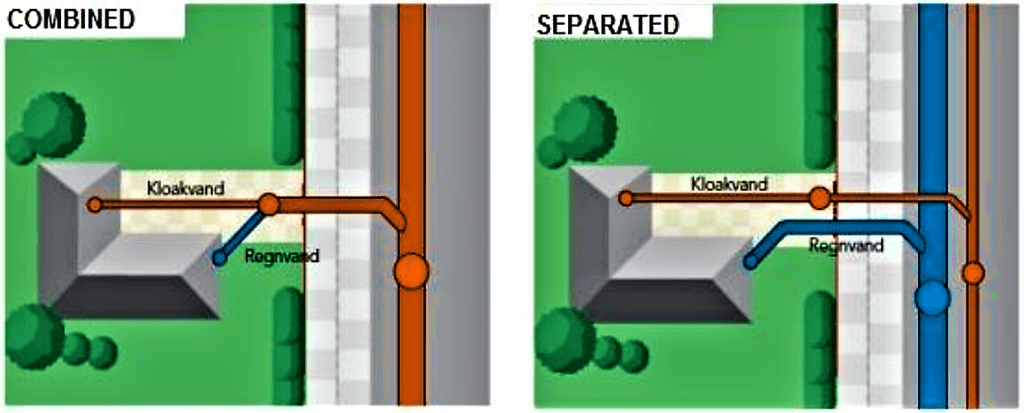
In England there are about 500,000 Km of sewer pipes with 100,000 Km of these being classed as ‘combined pipes’. This is where both sewage pipes coming from households and businesses in combined with pipes from storm drains found on streets. This kind of pipe contains storm overflows which can release waste water into our water systems.
The final 400,000 Km of pipes are classed as ‘separate’, where the sewage pipes and storm drain pipes are kept separate. These rarely have storm overflows built into them.
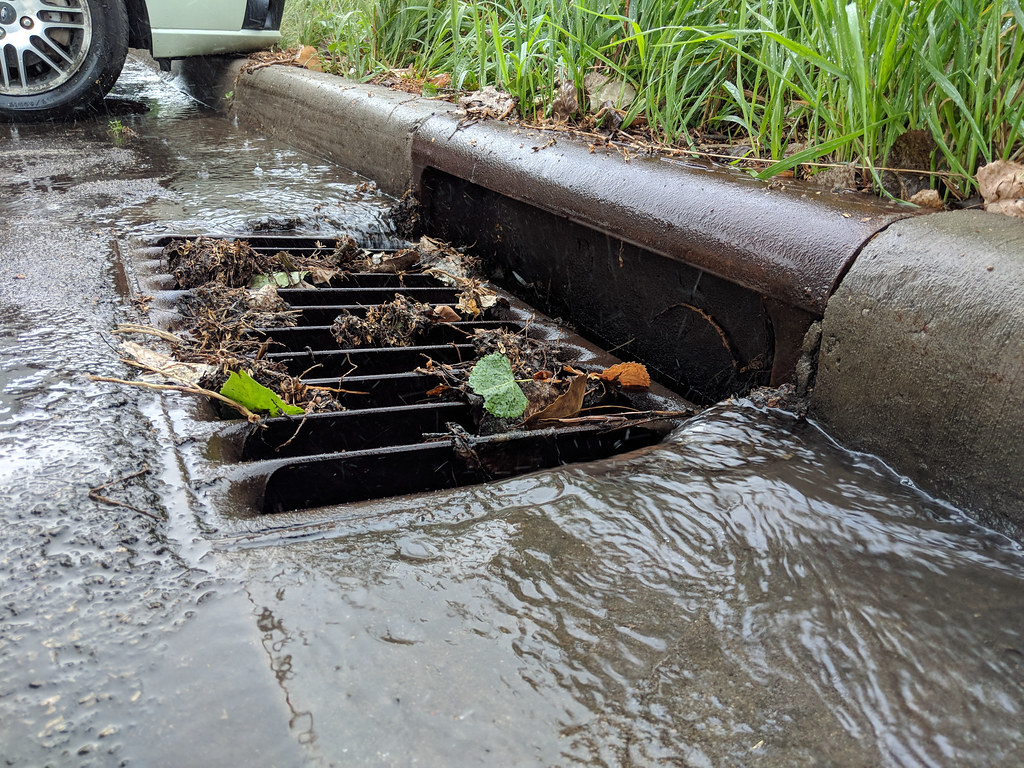
The combined pipes are where investment is to be focused however they are most commonly found in highly built up cities like London and Birmingham with many of them being built in the Victorian era. So improving these networks is not likely to be easy or cheap and is likely to come at great disruption to normal living.
New technologies
There are a couple of new technologies being developed for the treatment of polluted waters. These include membrane bioreactors (MBR), reverse osmosis (RO), and nanofiltration.
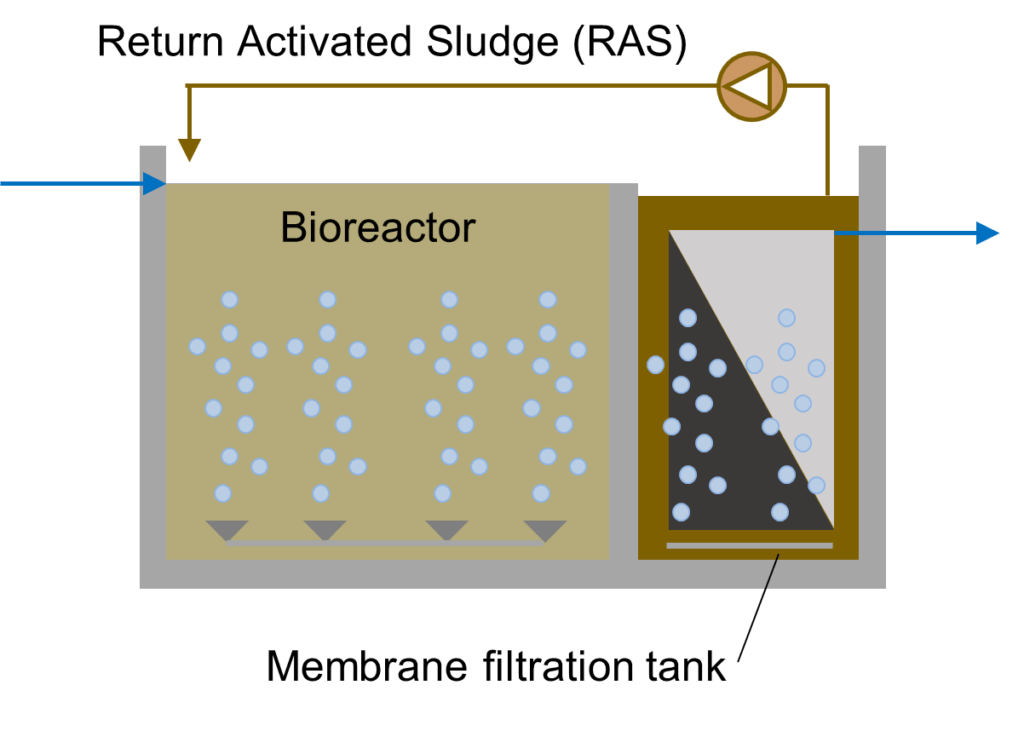
MBR combines membrane filtration and biological treatment. They are exceptionally efficient and are quickly becoming the norm in areas with a dense population.
The membrane filtration portion works by physically separating solid waste from the treated water. The waste can then be removed from the membrane and the process restarted.
The biological treatment can be changed depending on the requirements in each sewage system. They host small, non-pathogenic bacteria in a ‘sludge’ which can eat heavy metals and nutrients in the waste water. These bacteria do not leave the membrane and are not dangerous to humans.
Additional resources
There are multiple new technologies being developed to help improve the quality of water within our water systems. If you would like to know more, I recommend looking at some of the following resources:
Thames 21 – This article is about improving river water quality and has many further links to information.
Water UK – This article focuses on the differences and problems with the UK’s sewer systems.
H2O Global news – A news outlet focused on water news. This article talks about new technologies in water treatment.
 Swimming with Sewage